Braderie de Lille, France.

(Ever heard of a flea market with 10,000 stalls, stretching 100 kms long ?Know everything about such a market, that takes place every September in the French city of Lille ! Welcome to Braderie de Lille)
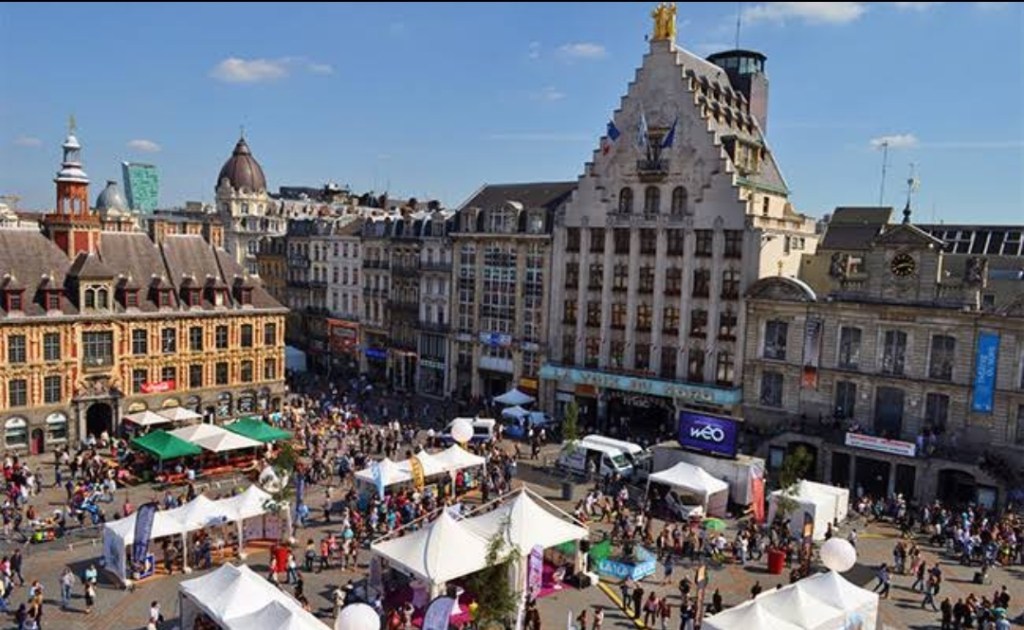
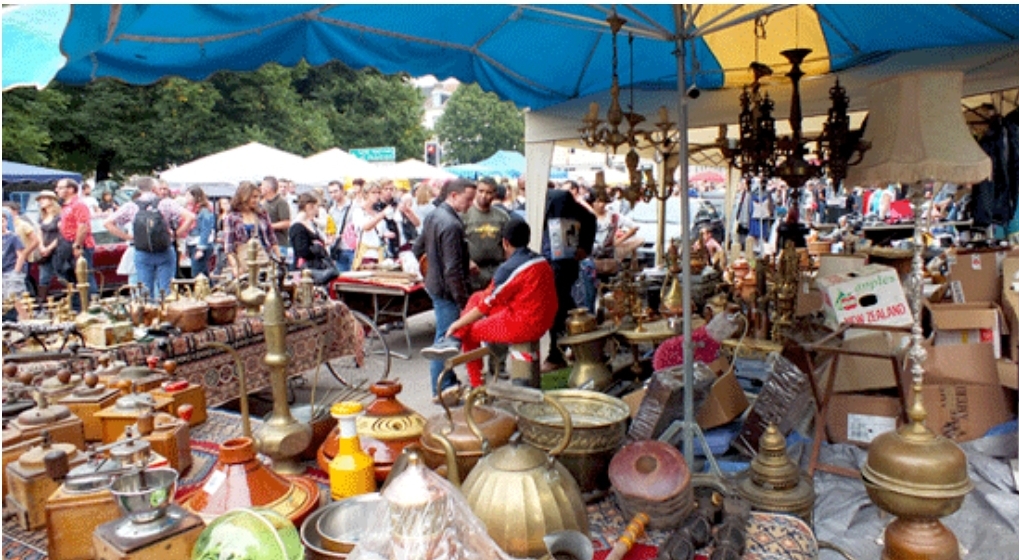
Braderie de Lille is arguably the biggest and the finest flea market of Europe that takes place on the first weekend of September every year in the pleasant city of Lille (pronounced Lee’ll) on the French – Belgian border.

It’s not just a massive flea market – it’s a giant party that starts around 2 p.m. Saturday and goes past lunch time the next day. Without stopping, this flea market goes on through the night.

The origin of this flea market goes back to 12th century, when masters allowed their servants to sell unwanted household stuff, and it has remained a nearly unbroken city tradition since then.
(PC: Goodlife France)

Lille is closed to traffic that weekend as more than 10,000 ametuer sellers set up their stands on city streets, running 100 kms long, if arranged as a single strip. 2.5 million eager bargain hunters rummage their way through, looking for what they want and often buying what they don’t want.

The flea market is divided into areas by seller or by type of object being sold and the local authorities publish a map to aid visitors. The elegant Grand Place in the city centre area, named after former French President Charles de Gaulle, who was born in Lille, is always reserved for the best boutique shops.

Bars, cafés, brasseries, restaurants do a roaring trade. Lille is a foodie paradise, but at the Braderie, the emphasis is always on the local dish ‘moules-et-frites’ (mussels and chips). In fact, there is an unoffocial competition to see who has done the best business, by measuring the height of mussel shells mountains built outside their premises.

A 10 km Marathon, music concerts add vibrancy to the ‘Queen of Flea Markets’ called ‘Braderie de Lille’.

So when you plan your next visit to France, go there in September. And do not forget to add Lille in your itinerary.

(Next week : Lumbini, Nepal – the birth place of the Buddha)
The Blue Mosque of Istanbul

(Post #2 on my World Heritage blog is about the famous Blue Mosque of Istanbul, Turkey. Know about its unintended rivalry with the Great Mosque of Mecca, and how Ottoman Sultan resolved the problem…..)

(Photo courtesy : TurkeyTourism)

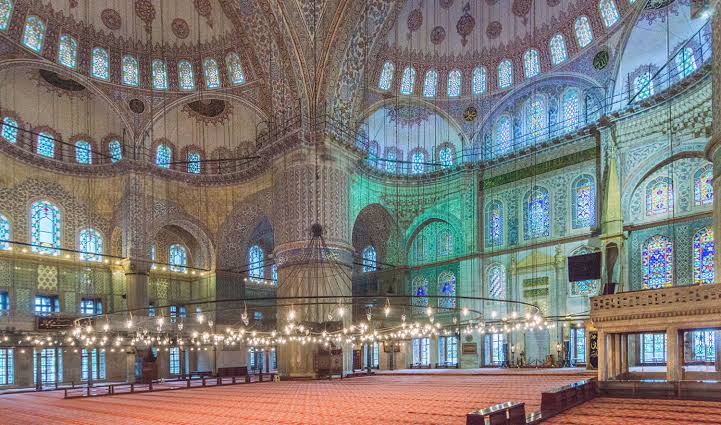
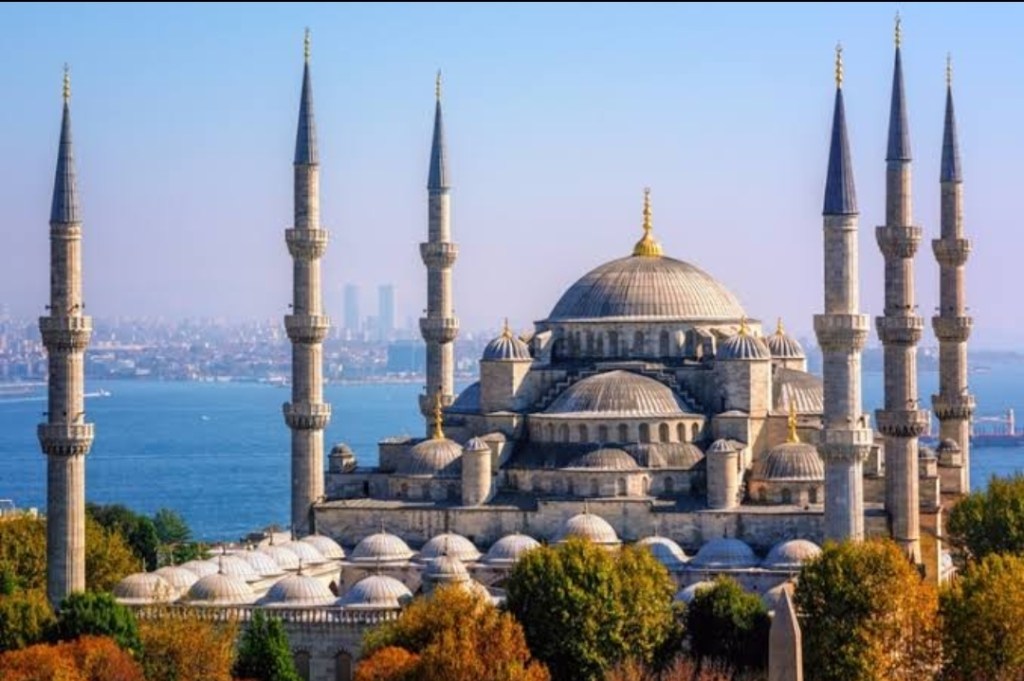
The Blue Mosque or the Sultanahmet Mosque is an important attraction of Istanbul, Turkey, the city where Europe meets Asia and Christianity meets Islam.

Built between 1609 and 1617, The ‘Blue Mosque’ looks grey from outside, but gets its name from more than 20,000 breathtaking blue Iznik tiles that decorate the interior of the structure.

(Photo courtesy : TurkeyTourism)

This mosque was built by Ottoman Sultan Ahmed I. He wasn’t very successful in warfare, so he came up with the idea to build a huge mosque surpassing the size and beauty of historic Hagia Sophia of Istanbul to leave his mark.

Designed by Sedefkar Mehmed Aga, Sultanahmet Mosque combines the best of two architectural styles – it is a mixture of traditional Islamic architecture and Byzantine (Eastern Roman) elements, taken from the Hagia Sophia church turned mosque.

When completed, The Blue Mosque was the only mosque in Istanbul that had six minarets. This provoked hostility in the Islamic world, as Sultan’s mosque then equaled the number of minarets of Great Mosque of Mecca in Saudi Arabia. This angered the clerics, who did not want any other mosque to surpass the glory of the holy mosque in Mecca.

The Sultan however overcame the problem by paying for the seventh minaret to be built at the Mecca Mosque.

(Next Post : The Flea Market of Lille, France)

Gateway of India, Mumbai

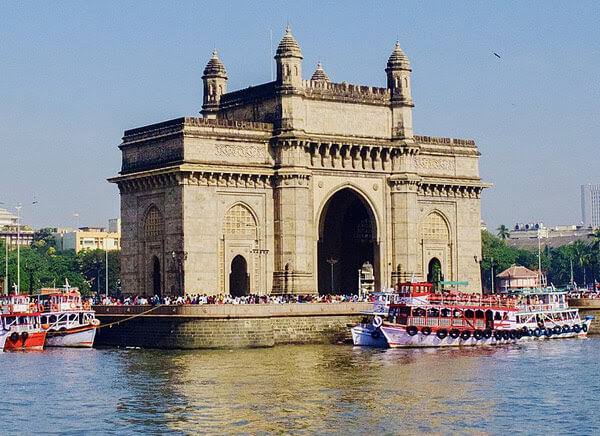
Gateway Of India in Mumbai is an arch-monument built in the early 20th century  to commemorate the landing of King George V and Queen Mary on December 2, 1911.

Standing 26 metres tall and overlooking the Arabian Sea, the iconic yellow basalt Indo-Saracenic structure, along with its adjacent heritage hotel Taj Mahal Palace, is a must-see attraction in Mumbai.

At the time of the royal visit, the gateway was not yet built though, and a cardboard structure greeted the monarch.

The final design of the monument by architect George Wittet was sanctioned only in 1914, and construction was completed in 1924.

During the British Raj, gateway was used as a symbolic entrance to India for important visitors from the West. Incidentally, the last of the British troops – the Somerset Light Infantry, left India in 1948, following Indian independence.

Today, Gateway of India is the starting point for the ferries taking tourists to the UNESCO World Heritage site of Elephanta Island, about 10 kms into the sea.

(Next : Istanbul : Blue Mosque)